
Every issue of the Advisorator newsletter, dating back to 2018. Want a super-dense list of just the headlines? You’ll find it here.
-
How I’m using AI (according to AI)
I had Claude analyze all my chats to show what I used it for.
-
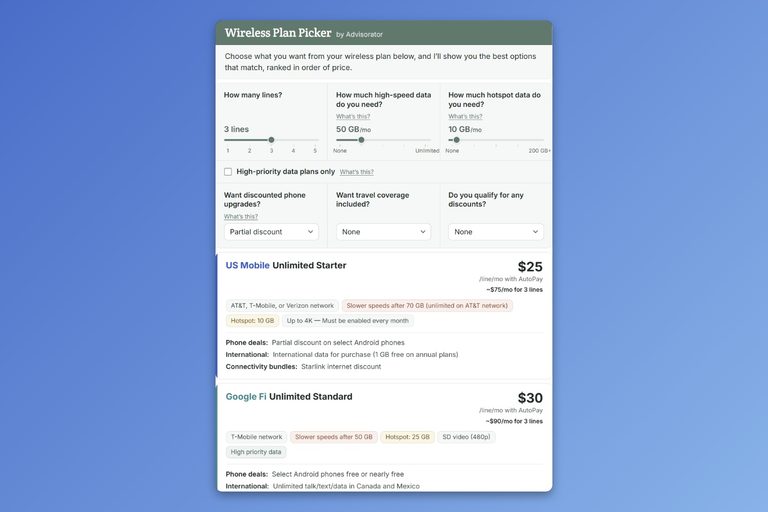
Find a cheaper phone plan
Compare the major carriers with cheaper prepaid alternatives.
-
How my switch from Gmail is going
Fastmail has done everything necessary to prove itself as an adequate (or even superior) Gmail replacement.
-
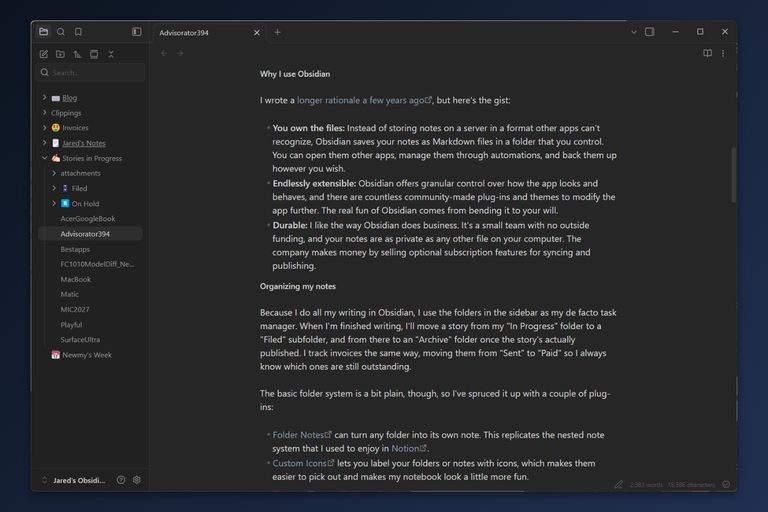
My personal notetaking setup
Obsidian offers a level of freedom and flexibility that basic notetaking apps can't touch.
-
Take better notes
What to use for digital notes and how to do a better job taking them.
-
The AI software slop invasion
As the future of software becomes and endless stream of unvetted AI slop, you'll have to become more discerning about which tools you use.
-
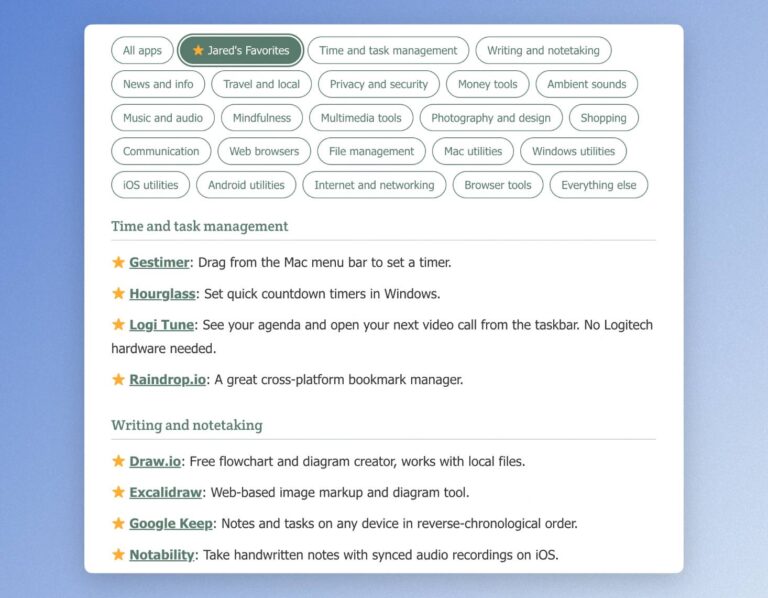
Free alternatives to expensive apps
What to use instead of Word, Photoshop, and more.
-
A wild new way to protect your personal info
Here's what happened when I used AI to wipe my personal info from the internet.
-
Big changes for Siri
Siri is good now, but it also takes getting used to.
-
What a free iPhone will cost you
While the big carriers love to yell about getting a new iPhone "on us," they tend to bury important details in the fine print.
-
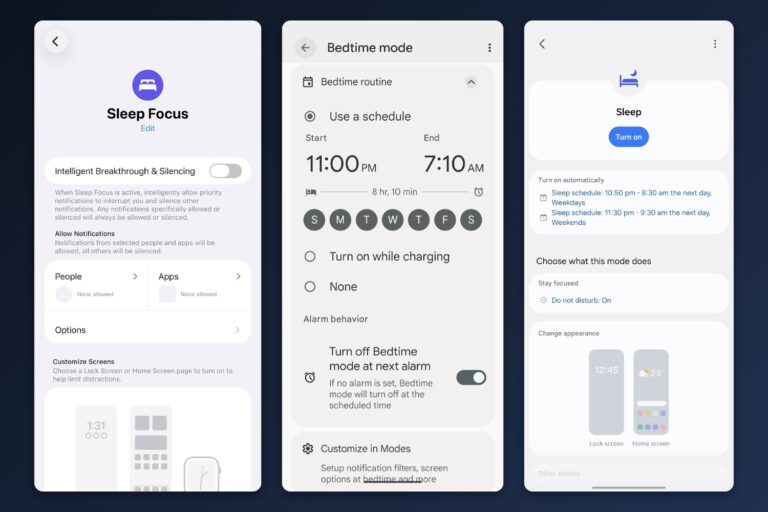
Stop your phone from waking you at night
If your phone has ever woken you up in the middle of the night for no good reason, this guide is for you.
-
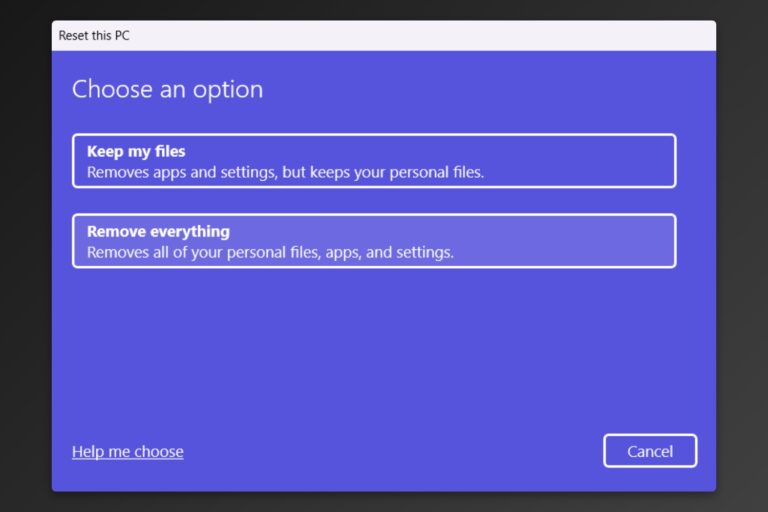
Why I just completely wiped my computer
There is no computing endeavor quite so satisfying as a full factory reset.
-
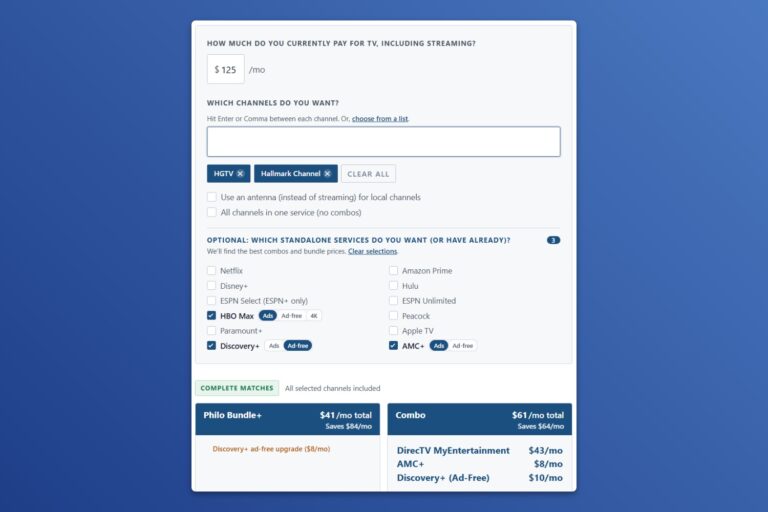
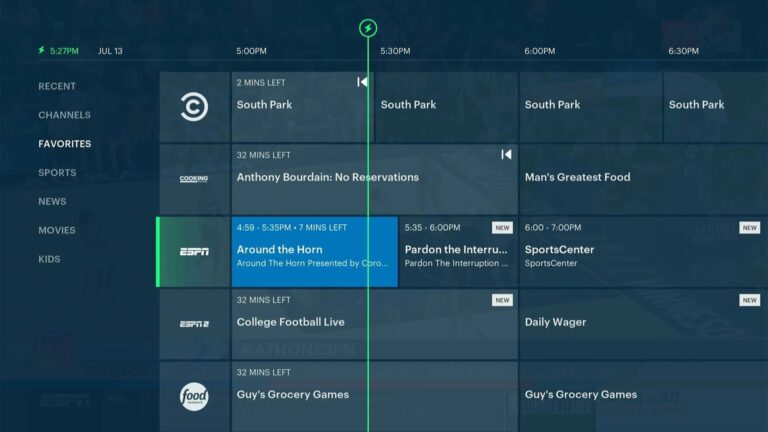
Huge cord cutting guide update
If you're still clinging to cable or want to save more money on streaming, I've got a guide that can help.
-
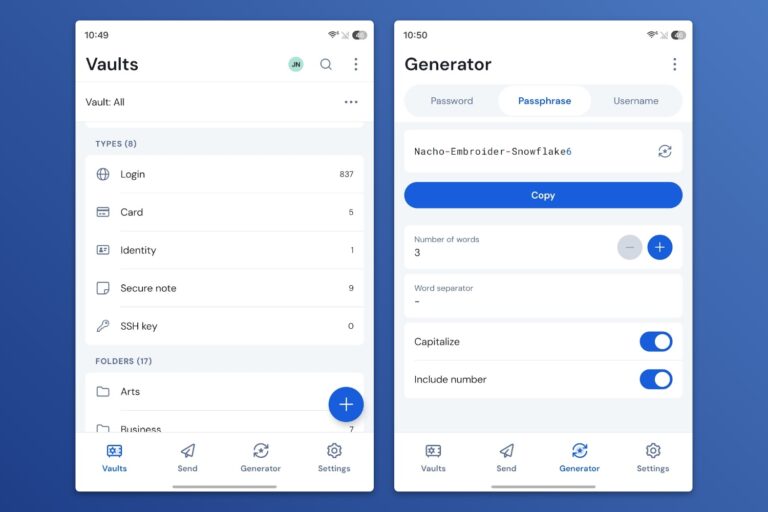
How to actually use a password manager
Password managers are supposed to make your online accounts more secure and easier to access, but they can also cause problems.
-
My favorite tech tools, wireless plan picker updates
Updates to my personal tech setup, wireless plan picker, and ultimate app list.
-
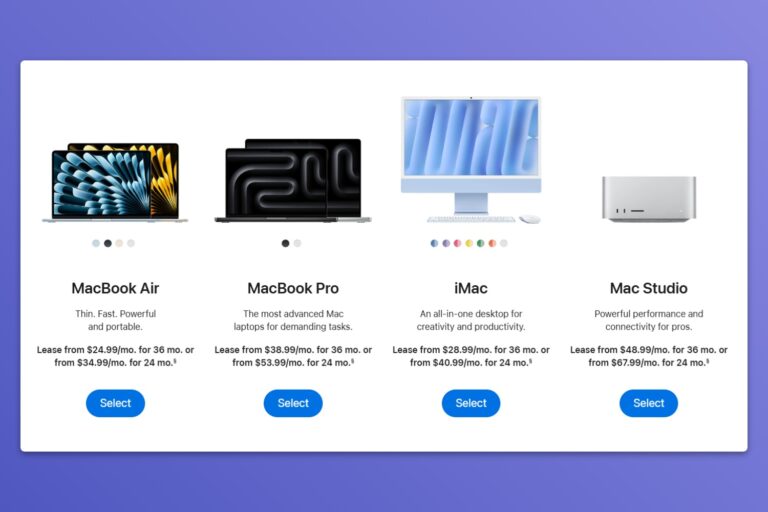
Beware of Apple Upgrade
While spreading out the cost of Apple hardware may look attractive, it'll likely cost you more in the long run.
-
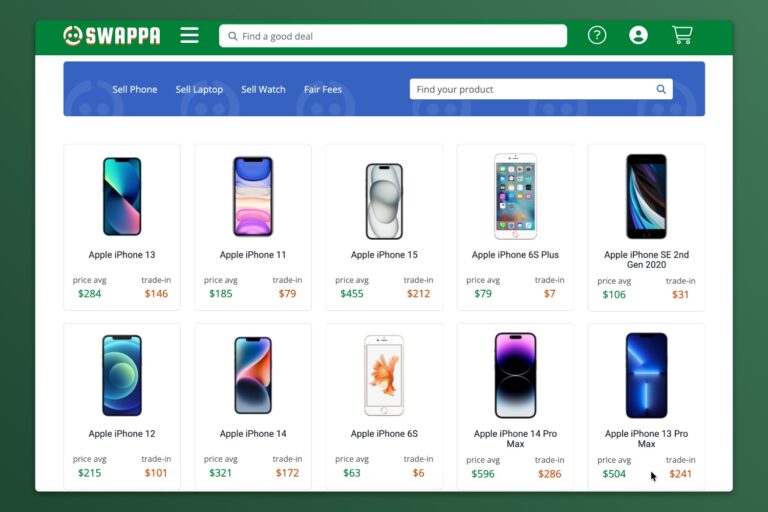
Sell your old electronics already
Over the years I've amassed a bunch of ways to get rid of them, usually earning some cash in the process.
-
Did you know Spotify can do all this?
While Spotify aggravates me in some ways, it's also full of features that make listening to music more enjoyable.
-
Your library’s overlooked tech features
All the tech-related services you might be overlooking from your local library, many of which are free.
-
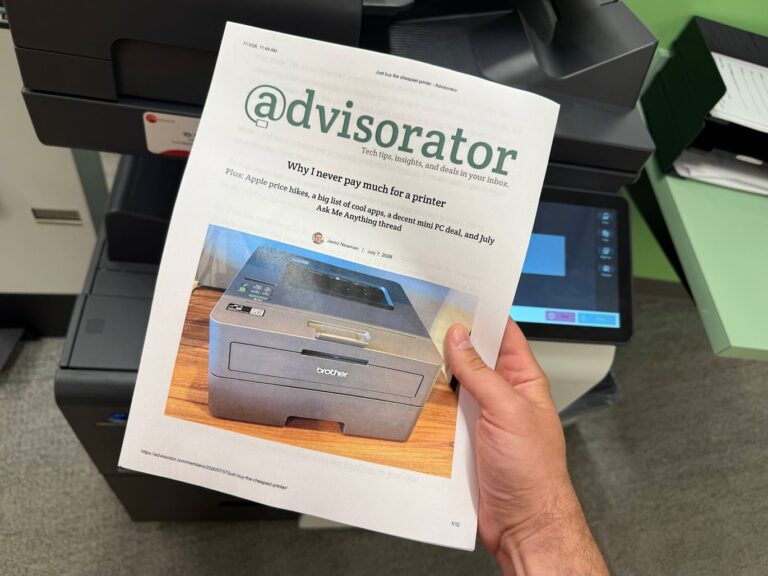
Just buy the cheapest printer
You can spend a lot of money on a printer, but why should you?




Every cord cutting column I’ve ever written, dating back to 2014. Recent issues of my Cord Cutter Weekly newsletter are available here.
-
Why does Hulu’s live TV service still exist?
At $100 per month, this cable replacement is stuck in the past.
-
Fox owns Roku now: Here’s what to expect
Less neutrality, more synergy, and a couple of dead products.
-
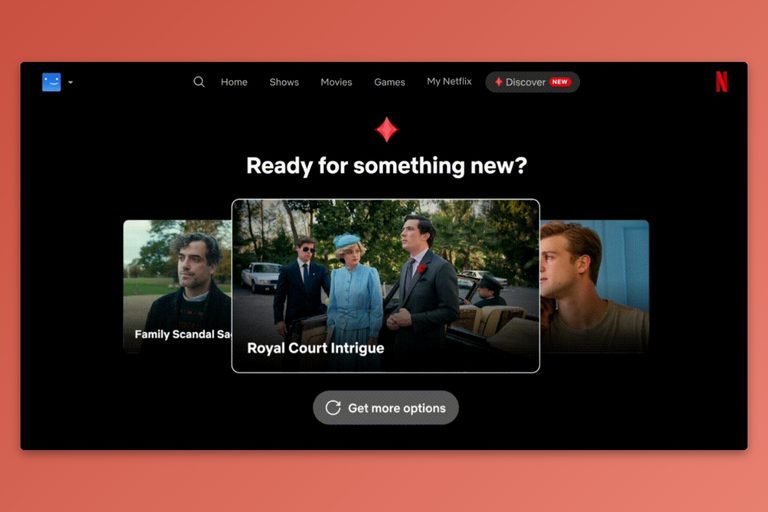
Netflix turns to AI to fix its algorithm’s messes
Predicting exactly what you want to watch has not panned out.
-
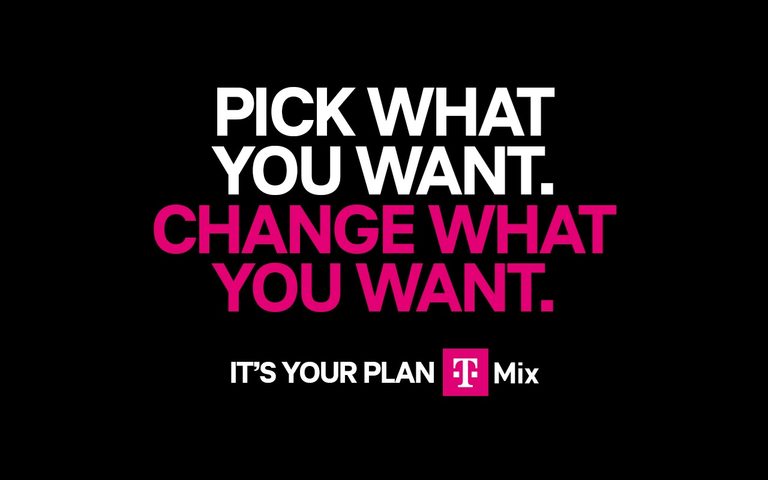
T-Mobile lets you build your own streaming bundle, but there’s a huge catch
New “T-Mix” plans offer a choice of free streaming services at the expense of new phone upgrades.
-
Please don’t use AI hacks to debloat your TV
There are easier and safer ways to fix your smart TV's problems
-
NBA 2026-2027 streaming guide: Making sense of total chaos
Where to watch your local NBA team as the regional sports model collapses.
-
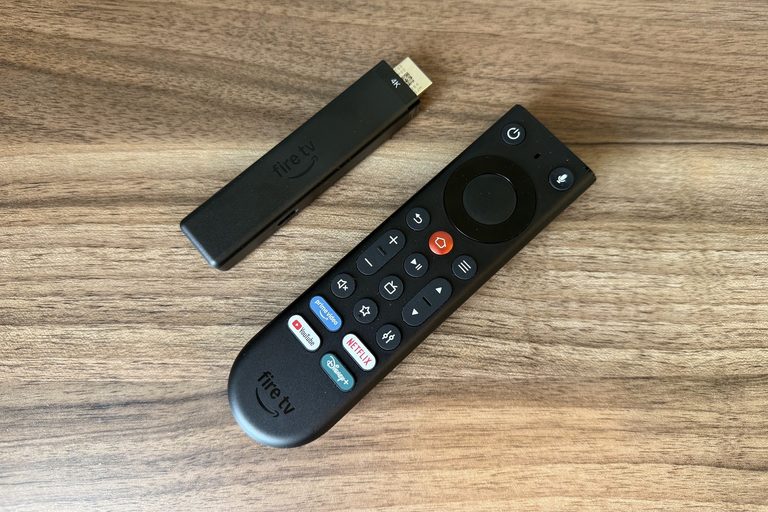
Is the new Fire TV Stick 4K really faster? It depends.
How to stream every show from the New York Times' top 100 list, and how long it'll take you to get through them all.
-
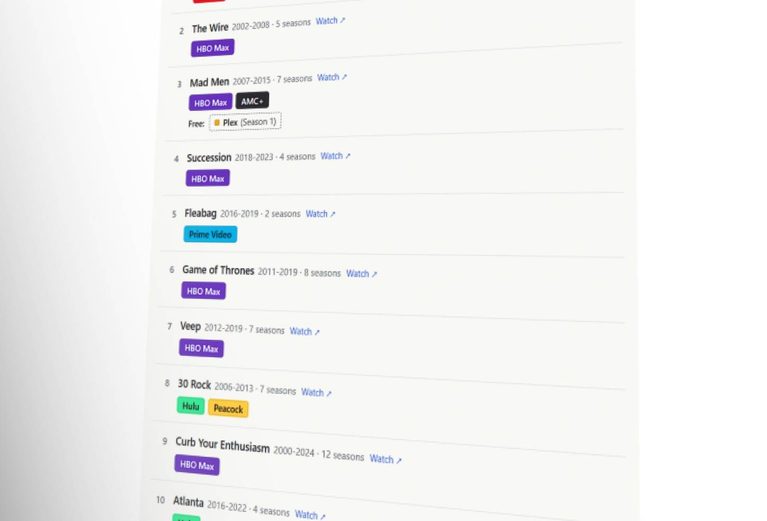
What it costs to stream the top 100 TV shows of this century
How to stream every show from the New York Times' top 100 list, and how long it'll take you to get through them all.
-
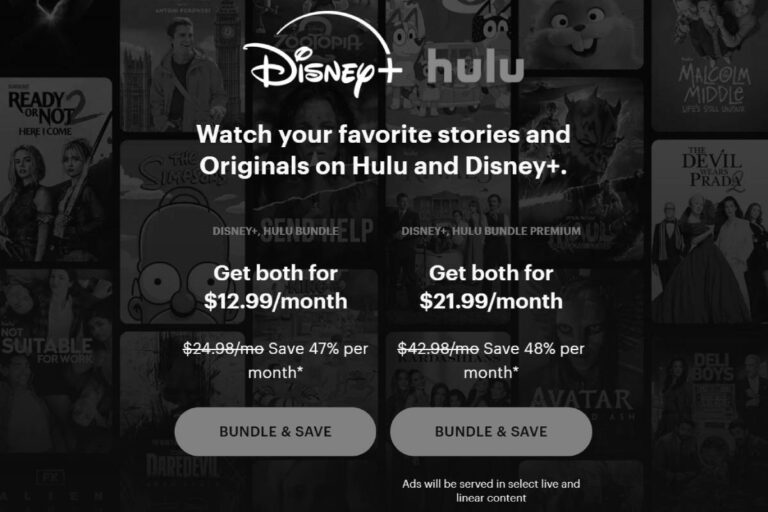
Disney should stop the trickery and just combine Disney+ and Hulu already
If you're paying separately for either service, you're getting ripped off by design.
-
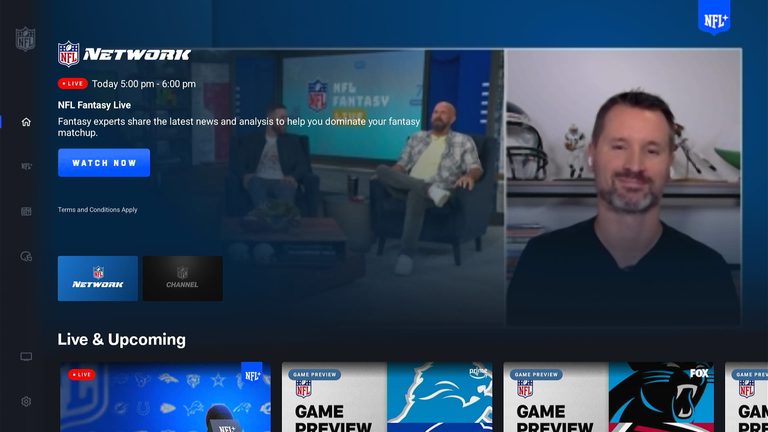
The NFL app is (still) an insult to sports streaming
The richest U.S. sports league should be able to afford better than this.
-
Stop smart TV snooping by LG and others
Worried that your smart TV is spying on you? Here's what will help, and what won't.
-
How ad-free streaming became so much less affordable
Hopefully it'll save me some money, even if it doesn't last.
-
I just cancelled Netflix and it feels great
Hopefully it'll save me some money, even if it doesn't last.
-
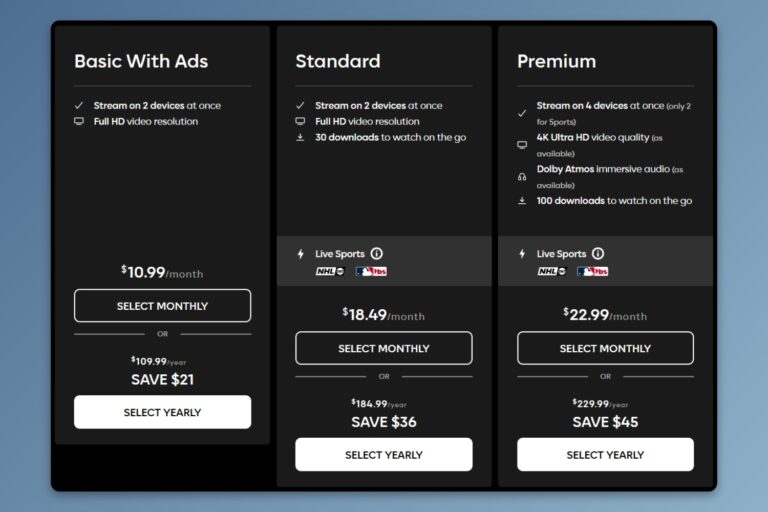
Peacock raises prices, but you can still get a deal
Never pay full price for Peacock year-round.
-
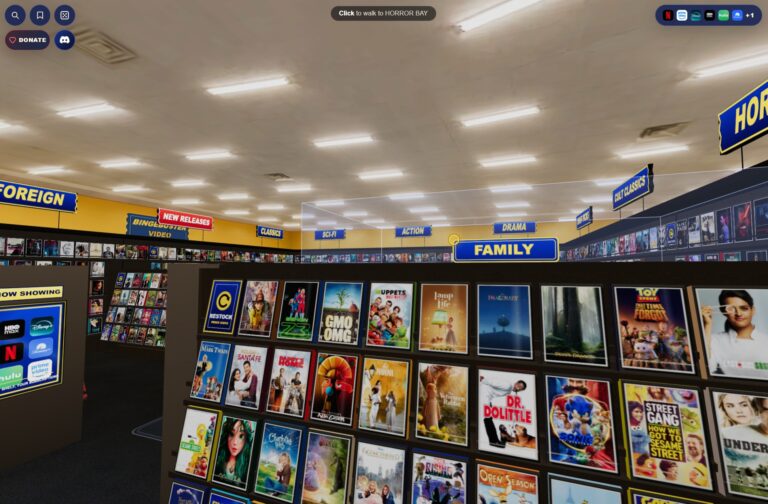
This digital Blockbuster clone is a beautiful nostalgia trip
BingeBuster is neat, though it also kind of misses the point.
-
NFL 2026-2027 streaming guide: It may be cheaper than you think
How watch football without paying for more than you need.
-
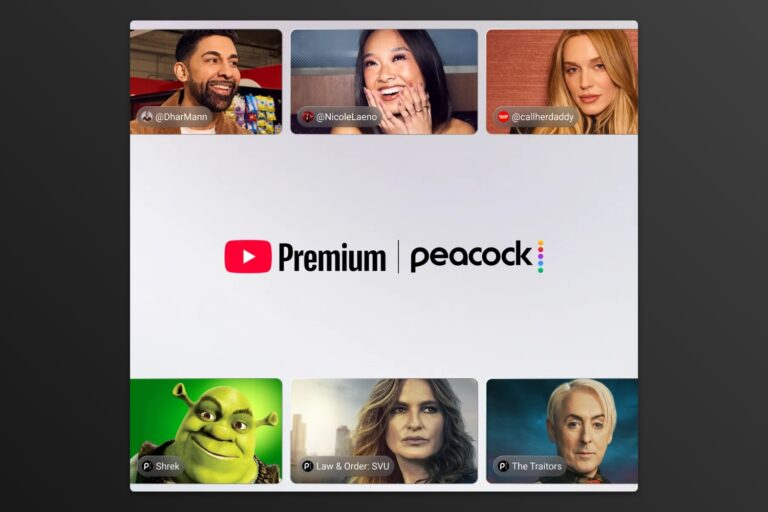
YouTube is eating TV, and Peacock is the next course
Bundling Peacock with YouTube Premium is another step toward subsuming traditional television.
-
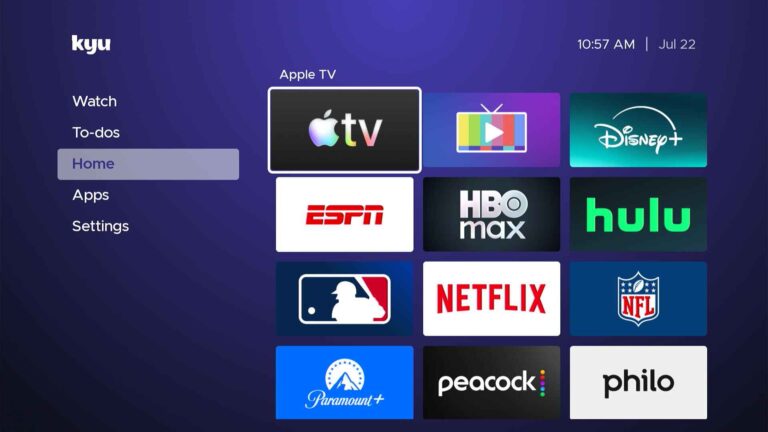
Can’t stand Google TV? Make it look like Roku instead
Kyu Launcher is one of several ways to simplify your home screen and remove the annoying ads.
-
Netflix’s plot to become cable hits a wall
Earnings are up, but engagement is slowing down. What comes next could get messy.
-
I turned my Plex library into 24/7 streaming channels with this free app
With the arrival of NBC channels, the cost is increasing by $9 to $15 per month.






What’s this? A place for posts that might be too fleeting, esoteric, or off-topic for the weekly Advisorator newsletter. A little slice of the independent web. A work in progress. I’ll link to a lot of these posts in the newsletter, but you can also subscribe to the blog feed via RSS.
-
Bringing back the Advisorator blog
The story thus far:
- I tried spinning up a “Blog” section of Advisorator for stuff that doesn’t fit into the newsletter.
- Then I decided I should just blog on my jarednewman.com domain instead.
- Inevitably I let the personal blogging fall by the wayside.
I think what I’m going to do is let jarednewman.com operate as more of a portfolio/bio site, and revive the Advisorator blog for posting. A few reasons why:
- Posting about tech-related things (which is a lot of what I might want to post about) felt out of place on my personal site.
- I’ve realized it’s not really a bad thing to have off-topic stuff on the Advisorator site, as long as it’s out of the way of the usual tech coverage.
- Maybe there’s a little extra motivation to post here if it leads folks to discover the newsletter.
I’m going to see how this goes, and maybe add a “Blog” heading to the nav bar if the habit sticks. Also: I’m writing and publishing this directly from Obsidian with a plugin, which I haven’t done in a while. Let’s see if it works.
-
Affiliate links in Advisorator
Jared Newman |
For the past eight-ish years, I’ve taken a hard stance against affiliate links in Advisorator.
Affiliate links allow writers, YouTubers, and other content creators to earn sales commissions from the products and services they cover. If a website posts about deal on a portable charger, for instance, an affiliate link provides that site with a cut of any resulting sales.
I’ve resisted putting affiliate links in Advisorator because I’m wary of how it can warp incentives. Too often, I’ll see websites push mediocre products or dubious deals just for the sake of a sales commission, or I’ll wonder if a YouTuber’s glowing product review was motivated more by affiliate revenue than the product’s actual merits. Folks who support Advisorator with paid subscriptions deserve not to worry about biased recommendations.
That said, I’m now rethinking my approach to affiliate links for a few reasons:
- More than 8,500 people now read Advisorator’s free edition, and it’d be nice to get support from those who don’t become paid subscribers.
- Earnings from affiliate fees would allow me to grow the newsletter and spend more time working on it.
- I think there’s a way for me to do affiliate links that doesn’t feel like a huge moral compromise.
Basically, I’m envisioning an approach similar to what I’ve been doing in Cord Cutter Weekly over the past year: I’ll only include affiliate links in the deals section (“Spend Wisely”) toward the end of the newsletter, with a prominent disclosure at the top of the section:
“This part of the newsletter has some affiliate links, which earn me a commission if you wind up buying or subscribing to something.“
Linking to good deals is the entire point of the Spend Wisely section, so having affiliate links shouldn’t change my approach. Just like with Cord Cutter Weekly, I’ll continue to recommend the best deals I can find each week, regardless of whether there’s a sales commission attached. And by limiting affiliate links to this one section, I’ll avoid the urge to tailor more of the newsletter toward selling you stuff.
My plan is to do this for both the free and paid versions of Advisorator. While I could potentially exclude affiliate links from the paid version, that would create extra work without changing any actual content, since the deal list would be the same in both newsletters.
To be clear, I will not include affiliate links in the Deal Alerts that I occasionally send to paid subscribers. Inevitably that would incentivize me to send more emails, and that’s exactly the kind of editorial compromise I’m trying to avoid.
Also: I’m still not doing ads or sponsorships in Advisorator. Figuring out how to get people to click on ads isn’t fun, the potential for conflicts of interest is too high, and I’d rather spend that time and energy on other things.
Unless there’s a strong objection from paid subscribers, I’ll likely start setting up affiliate links within the next few weeks, with clear disclosure and a link back to this post. If you have any feedback in the meantime, please don’t hesitate to send me an email or post your thoughts in the Tech Buds forum.
Thanks again for your support.
-
I’m excited about a menu bar
The more I think on inverting the format for Advisorator’s free edition, the more confident I’m feeling about it, and a lot of that has to do with a menu bar.
Here’s what Advisorator’s top nav bar used to look like:

After some fiddling, here’s what it looks like now:

Most notably, it now has a "Subscribe" link, which leads to the free newsletter sign-up form. This might seem obvious to include, but Advisorator used to be for paying members only, and the website existed only for those subscribers.
It all got kind of awkward as I added and expanded the free edition. The site still catered primarily to paid subscribers, and so I avoided putting a sign-up link in the nav bar so as not to cause confusion. Until now, I’ve also been creating two separate newsletters, and so it made sense to only include the paid edition’s archives in the top nav bar.
The new format will make it much easier for me to have a single, canonical archive, with a paywall that applies to the bottom half (ish) of each newsletter. That means the Archives link will be useful to free and paid subscribers alike.
Meanwhile, I’ve moved the "Home" button over and renamed it to "Membership." When you sign in as a paid subscriber, it serves as a welcome page with quick links to the latest newsletter and other resources. If you’re not a member, you’ll see an explanation of membership benefits and links to subscribe.
All of which helps make way for the aforementioned "Subscribe" button, which gives you an easy way to sign up no matter where you navigate on the site. To me at least, the whole thing feels cleaner, more transparent, and more professional. I hope it leads to more free and paid subscribers alike.
As for The Blog, this is still just a place for me to dump some excess thoughts from my head. I’m not sure that’s worthy of a nav bar item just yet.
-
Fediverse comments: An experiment!
Okay, so in the past week I’ve enabled the following:
- Created a "Blog" section on the Advisorator site.
- Enabled ActivityPub for the blog, so you can follow @blog@advisorator.com to see posts in your feed.
- Connected Obsidian to the blog, so I can publish directly from my favorite note-taking app.
Now it’s time for the next step: Comments!
When I click the publish option here in Obsidian, I’m going to set "Comment Status" to "Open." If all goes to plan, this will allow replies on Mastodon to show up right here on the blog. What could go wrong?
If you’re reading this, hit me with your hottest takes about DOOM, mobile operating systems, or cheese.
-
Flipping Advisorator’s free and paid versions
This might be a bad idea, but I’m going to try inverting the format of Advisorator’s free edition.
Previously, it went like this:
- Quick tip
- An upsell for that week’s feature story, which appears atop the paid newsletter
- News roundup
- A useful app to try, sometimes with an upsell for my ultimate list of awesome apps
- A truncated version of the deal list I usually send out to paid subscribers.
- Another upsell for the paid edition, referencing the omitted deals.
- Sign off.
Now it looks like this:
- The feature story that I used to reserve for paid subscribers
- An upsell for the news, quick tip, useful app, and deal list that now reside only in the paid edition
- Sign off
At minimum, it’s a lot less convoluted, but I’m also hoping it makes the newsletter more enjoyable and shareable for free subscribers. You might be more excited to share, say, an article about an inexpensive AirTag alternative or the best ad blocker than a grab-bag of other stuff. It’s certainly easier for me to share on social media.
At the same time, that grab bag is easier to talk up as a benefit for paid subscribers. They’re not just getting one extra article per week, but rather a whole bundle of useful intel. And that’s in addition to other benefits like my online guides and Slack channel.
If all goes well, this may even allow me to produce one canonical version of the newsletter—and therefore a single archive page—instead of separate free and paid versions. Still, it’s nerve-racking to give away the part of the newsletter that takes maybe 60% of my time each week.
As I mentioned in this week’s issue, we’ll see how it goes and adapt as needed.
-
Thoughts on ad blockers
After last week’s column about uBlock Origin, we had a spirited discussion in the Advisorator chat room about the ethics of using an ad blocker. In particular, Matthew Keys of The Desk raised concerns about how using an ad blocker can deprive independent journalists (himself included) of revenue. I appreciate that Matthew brought this up, and after some reflection, I wrote down some thoughts that he encouraged me to share here.
Matthew raised a couple of separate questions, the first of which is whether it is acceptable to recommend ad blockers to readers.
My feeling is yes. Readers have been given a raw deal by the current state of online advertising: Accept ads that track their every move around the web, create malware risks, and put a drain on system resources/battery life, or block those techniques and deprive revenue to publishers. I wish that wasn’t the choice, but it is, and I believe users should have control over what happens to their data and what happens on their computers.
The second question is what publishers should do about ad blocking, which is becoming table stakes in basically every browser besides Chrome. Safari already blocks the vast majority of ads by default. So do Edge, Firefox, DuckDuckGo’s browser, Brave, Vivaldi, and Arc. Regardless of what happens in my little newsletter, publishers will need to adapt to that reality.
There’s no perfect answer to this, but I think there are many possibilities. PCWorld has built a nice business around affiliate revenue, has a subscription digital magazine, and has a YouTube channel that I presume is monetized through ads/sponsors. Fast Company has a premium subscription, an events business, and various awards which vendors can pay to apply for. You can have a newsletter that monetizes through direct ad deals that don’t rely on tracking. You can sell special reports, solicit donations, or throw up paywalls. And maybe there’s room for a more privacy-respecting kind of online ad. I don’t think the answer is to just guilt people into accepting a system that does not respect their system resources or their privacy.
A few other stray thoughts:
- You could argue that some ad blockers are more harmful than others, for instance by hiding the pop-ups that discourage ad blocker usage. I don’t see a huge distinction as ultimately it’s the same choice being made. Notably, in browsers that let you choose between ad blocking or just tracker blocking, those nastygrams show up regardless. The tracking goes hand-in-hand with the advertising.
- Any time you consume content in ways that the creator did not sanction, there are going to be some ethical dilemmas. You could argue, for instance, that DVR is a form of revenue theft, if not for the creator (which may still get paid to serve the ad), then for the advertiser. Yet I continue to recommend services like PlayOn and Channels DVR because they provide control for users in a system that is increasingly stacked against them. I view ad blockers in a similar way.
- In any case, I don’t entirely believe that publishers are to blame. A lot of this falls on the tech giants that build the ad tech system and have encouraged a race to the bottom on advertising, thereby making many webpages intolerable to read.
- All of that said, consider disabling your ad blocker on sites whose journalism you appreciate, particularly if they are respectful with the quality and quantity of ads they show.
Got your own thoughts on the matter? You can always send me an email.